

Table of Contents
-
Introduction
-
Key Safety Standards (US, UK & Canada)
-
Types of Safety Shoes Explained
-
Best Safety Shoes for Construction Workers
-
Best Safety Shoes for Industrial Workers
-
How to Choose the Right Safety Shoes
-
Common Mistakes to Avoid
-
Care & Maintenance Tips
-
Frequently Asked Questions (FAQ Schema)
1. Introduction
Choosing the best safety shoes for construction and industrial workers is not just about comfort—it’s about preventing injuries, ensuring compliance, and boosting productivity. From falling objects to slippery surfaces and electrical hazards, job sites in the US, UK, and Canada demand high-quality, certified safety footwear.
This guide will help you choose the right safety shoes based on job type, safety standards, and working conditions.
2. Why Safety Shoes Are Critical on Job Sites
Workplace foot injuries are among the most common and costly accidents in construction and industrial environments.
Safety shoes protect against:
-
Heavy falling objects
-
Sharp nails and metal debris
-
Slips, trips, and falls
-
Electrical hazards
-
Chemical spills
Employers investing in OSHA-approved safety shoes reduce downtime, workers’ compensation claims, and insurance costs—making safety footwear a high-ROI investment.
3. Key Safety Standards (US, UK & Canada)
Understanding safety certifications ensures compliance and protection.
🇺🇸 United States
-
ASTM F2413 (Impact, Compression, Electrical Hazard)
-
OSHA workplace footwear compliance
🇬🇧 United Kingdom
-
EN ISO 20345 (S1, S1P, S2, S3 ratings)
-
Mandatory PPE footwear on construction sites
🇨🇦 Canada
-
CSA Z195
-
Green triangle (puncture + toe protection)
✅ Always check the certification label inside the shoe before purchasing.
4. Types of Safety Shoes Explained
🔩 Steel Toe Safety Shoes
-
Maximum impact protection
-
Ideal for heavy construction
-
Slightly heavier than alternatives
🧪 Composite Toe Safety Shoes
-
Lightweight & non-metallic
-
Electrical hazard safe
-
Great for industrial & warehouse workers
🦶 Slip-Resistant Safety Shoes
-
Oil & water-resistant soles
-
Essential for factories and workshops
🔪 Puncture-Resistant Work Shoes
-
Kevlar or steel midsole
-
Protects from nails, shards & scrap
⚡ Electrical Hazard Safety Shoes
-
Insulated soles
-
Reduces electric shock risk
5. Best Safety Shoes for Construction Workers
Construction sites demand maximum durability and protection.
Top Features to Look For
-
Steel or composite toe cap
-
Puncture-resistant midsole
-
Waterproof leather upper
-
Shock-absorbing heel
-
Ankle support
Best Use Cases
-
Road construction
-
High-rise buildings
-
Concrete & steel work6. Best Safety Shoes for Industrial Workers
Industrial environments focus on comfort + long shifts.
Recommended Features
-
Lightweight composite toe
-
Breathable lining
-
Slip & oil-resistant outsole
-
Anti-fatigue footbed
Best Use Cases
-
Manufacturing plants
-
Warehouses
-
Assembly lines
-
Logistics & packaging units
7. How to Choose the Right Safety Shoes
Before buying, ask yourself:
✔ What hazards exist at my workplace?
✔ Do I need electrical or chemical resistance?
✔ Am I standing for 8–12 hours daily?
✔ Does my job require waterproof footwear?
Pro Tip:
Invest in ergonomic safety shoes to reduce fatigue, knee pain, and long-term foot issues—this also lowers health insurance claims.
8. Common Mistakes to Avoid
❌ Buying uncertified footwear
❌ Ignoring proper shoe size
❌ Choosing comfort over protection
❌ Not replacing worn-out shoes
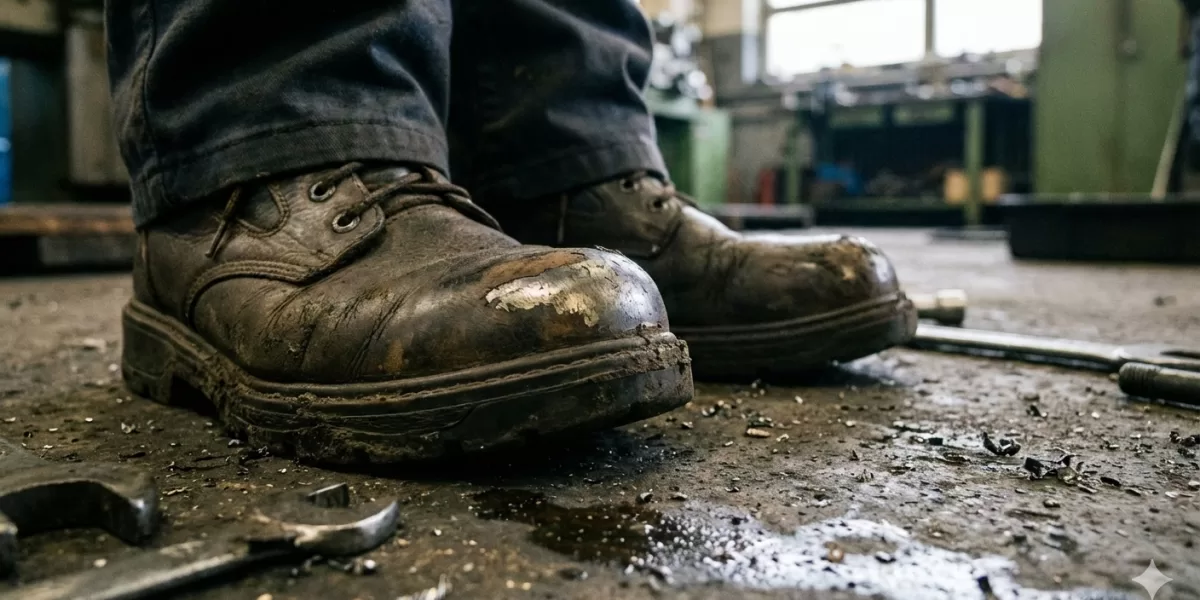
Old or damaged safety shoes lose their protective rating, increasing injury risk.
9. Care & Maintenance Tips
-
Clean shoes weekly
-
Dry naturally (avoid heaters)
-
Replace insoles every 6 months
-
Inspect toe caps & soles regularly
Well-maintained safety shoes last longer and maintain insurance compliance.
10. Frequently Asked Questions (FAQ Schema)
❓ What are the best safety shoes for construction workers?
Steel toe or composite toe safety shoes with puncture-resistant soles and ASTM or EN ISO certification are best for construction environments.
❓ Are steel toe shoes better than composite toe?
Steel toe offers maximum impact protection, while composite toe is lighter and electrically safe. Choose based on job hazards.
❓ Are safety shoes mandatory on construction sites?
Yes. OSHA (US), HSE (UK), and CSA (Canada) regulations require certified safety footwear on most job sites.
❓ How long do safety shoes last?
On average, 6–12 months depending on usage and work conditions.
❓ Can safety shoes reduce workplace injuries?
Absolutely. Certified safety shoes significantly reduce foot injuries and workers’ compensation claims.