

Table of Contents
-
Why Safety Helmets Are Essential for Workplace Safety
-
Common Types of Safety Helmets and Their Uses
-
Safety Helmet Classes Explained
-
Safety Helmet Standards in the US, UK & Canada
-
How Safety Helmets Reduce Insurance Claims
-
Choosing the Right Safety Helmet for Your Industry
-
Common Safety Helmet Mistakes to Avoid
-
Maintenance, Inspection & Replacement Guidelines
-
Future Trends in Safety Helmets
-
Frequently Asked Questions (FAQ)
1. What Are Safety Helmets?
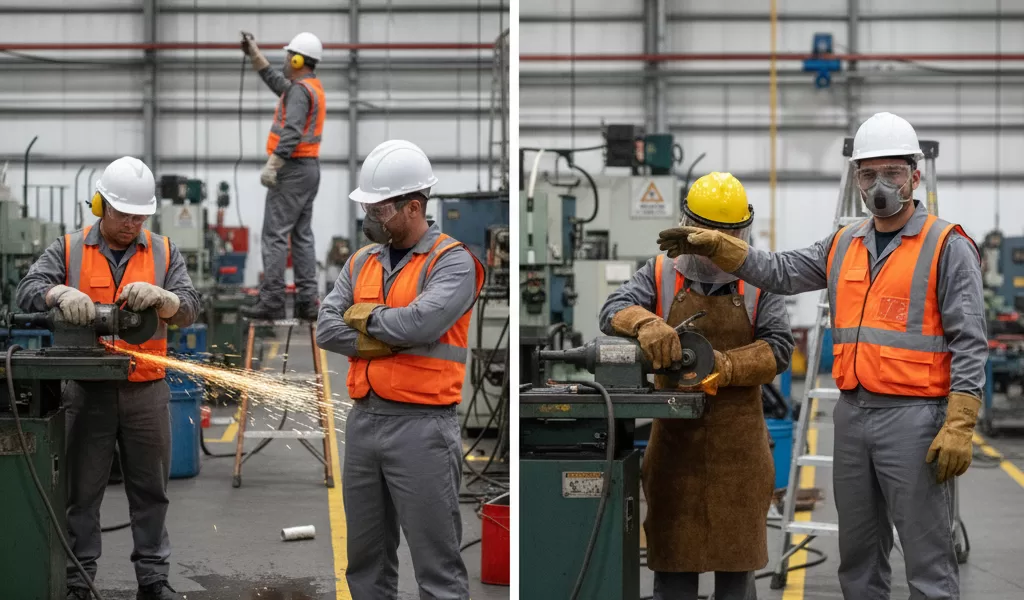
Safety helmets are protective headgear designed to shield workers from head injuries caused by falling objects, electrical hazards, impacts, and collisions. They are a vital component of workplace safety equipment, especially in high-risk industries such as construction, manufacturing, oil & gas, mining, and utilities.
Head injuries are among the costliest workplace injuries, often resulting in long-term disability and high workers’ compensation insurance claims. Proper helmet use significantly reduces these risks.
2. Why Safety Helmets Are Essential for Workplace Safety
Safety helmets play a crucial role in protecting workers and employers by:
-
Preventing traumatic brain injuries
-
Reducing fatal workplace accidents
-
Ensuring compliance with OSHA, HSE, and CCOHS regulations
-
Lowering employer liability insurance exposure
-
Improving workplace safety audits and insurance ratings
In the US, UK, and Canada, failure to provide approved helmets can result in fines, lawsuits, and denied occupational accident insurance claims.
3. Common Types of Safety Helmets and Their Uses
🪖 1. Industrial Safety Helmets
Best for: Manufacturing, warehouses, logistics
-
Protect against falling objects
-
High-impact resistant shell
-
Adjustable suspension system
These helmets are essential in environments where overhead hazards are common.
🏗️ 2. Construction Safety Helmets
Best for: Construction sites, roadwork, infrastructure projects
-
Designed for impact and penetration resistance
-
Often include chin straps and ventilation
Construction companies using certified helmets often qualify for better construction business insurance rates.
⚡ 3. Electrical Safety Helmets
Best for: Electricians, power plants, utilities
-
Insulated materials
-
Protection against electrical shocks
Electrical-rated helmets are mandatory under OSHA safety helmet requirements.
⛏️ 4. Mining Safety Helmets
Best for: Mining and tunneling
-
Heavy-duty shell
-
Built-in headlamps
Mining helmets reduce severe head injury claims linked to underground work.
🔥 5. Fire-Resistant Safety Helmets
Best for: Firefighters, oil & gas, chemical plants
-
Heat-resistant materials
-
Designed for extreme conditions
These helmets are critical for reducing high-value insurance claims caused by burns and explosions.
🚴 6. Bump Caps
Best for: Low-risk indoor environments
-
Lightweight
-
Protection against minor bumps
Not a replacement for full safety helmets in high-risk zones.
4. Safety Helmet Classes Explained
🅰️ Class A (General Impact)
-
Impact resistance only
-
Common in construction and factories
🅱️ Class B (Electrical Protection)
-
High-voltage protection
-
Used in electrical work
🅲 Class C (Lightweight Protection)
-
No electrical protection
-
For comfort-focused environments
Understanding helmet classes helps reduce insurance claim disputes.
5. Safety Helmet Standards in the US, UK & Canada
🇺🇸 United States
-
OSHA 29 CFR 1910.135
-
ANSI Z89.1 standards
🇬🇧 United Kingdom
-
Health and Safety Executive (HSE)
-
PPE Regulations 2022
🇨🇦 Canada
-
CSA Z94.1 standards
-
Canadian Centre for Occupational Health and Safety (CCOHS)
Compliance protects employers from legal penalties and insurance denials.
6. How Safety Helmets Reduce Insurance Claims
Proper helmet use:
-
Lowers head injury incidents
-
Reduces workers’ compensation payouts
-
Improves risk management insurance profiles
-
Protects employers from costly lawsuits
Insurance providers often assess helmet compliance during policy renewals.
7. Choosing the Right Safety Helmet for Your Industry
Employers should consider:
-
Workplace hazards
-
Helmet certification
-
Fit and comfort
-
Environmental conditions
-
Insurance compliance requirements
Selecting the wrong helmet can increase employer liability insurance risks.
8. Common Safety Helmet Mistakes to Avoid
-
Using expired helmets
-
Ignoring cracks or damage
-
Incorrect fitting
-
Removing chin straps
-
Not training workers on proper use
Such mistakes often result in rejected workers’ compensation insurance claims.
9. Maintenance, Inspection & Replacement Guidelines
Best practices include:
-
Daily visual inspections
-
Regular suspension checks
-
Replacement after impact
-
Proper cleaning and storage
-
Documentation for insurance audits
10. Future Trends in Safety Helmets
Modern safety helmets now include:
-
Smart sensors for impact detection
-
GPS tracking
-
Fatigue monitoring
-
Enhanced ventilation systems
These innovations improve workplace safety compliance and insurance ratings.
11. Frequently Asked Questions (FAQ)
❓ Are safety helmets mandatory at work?
Yes. Safety helmets are required by law in high-risk workplaces across the US, UK, and Canada.
❓ How often should safety helmets be replaced?
Typically every 2–5 years, or immediately after a major impact.
❓ Do safety helmets reduce insurance costs?
Yes. Proper helmet programs can lower workers’ compensation and employer liability insurance premiums.