
Table of Contents
-
-
Why Respiratory Protection Is Essential at Work
-
What Are Respiratory Masks?
-
What Are Respirators?
-
Masks vs Respirators: Key Differences
-
Types of Respirators Explained
-
Industry-Specific Applications
-
Respiratory Protection Standards (OSHA, NIOSH, CSA, HSE)
-
How Respiratory Protection Reduces Insurance Costs
-
Choosing the Right Respiratory Protection
-
Training, Fit Testing & Maintenance
-
Common Employer Mistakes
-
FAQs (Schema Ready)
-
Final Thoughts
1. Introduction to Respiratory Protection
Respiratory protection is a vital part of Personal Protective Equipment (PPE) used to protect workers from inhaling harmful dust, fumes, gases, vapors, and airborne pathogens. Many workplace illnesses—such as asthma, silicosis, and chemical lung damage—are directly linked to inadequate respiratory protection.
Understanding the difference between masks and respirators is essential for meeting OSHA, HSE, CSA, and insurance compliance requirements, while also protecting workers’ long-term health.
2. Why Respiratory Protection Is Essential at Work
Poor air quality can lead to:
-
Chronic respiratory diseases
-
Long-term disability claims
-
Increased workers’ compensation insurance costs
-
Regulatory fines and legal action
In the US, UK, and Canada, employers are legally required to assess airborne hazards and provide appropriate respiratory protective equipment. Failure to do so can invalidate employer liability insurance coverage.
3. What Are Respiratory Masks?
Respiratory masks are loose-fitting face coverings primarily designed to reduce the spread of droplets and large airborne particles.
Common Types of Masks
-
Surgical masks
-
Disposable face masks
-
Medical procedure masks
Best For:
-
Low-risk environments
-
Healthcare settings for infection control
-
Public or short-term use
Limitations:
-
Do not provide a tight seal
-
Not designed for hazardous airborne contaminants
-
Not OSHA-approved for industrial respiratory protection
Masks do not replace respirators in workplaces with chemical, dust, or fume exposure.
4. What Are Respirators?
Respirators are tight-fitting or powered devices designed to protect workers from inhaling hazardous substances.
Key Features:
-
Designed to seal against the face
-
Use filters, cartridges, or supplied air
-
Require fit testing and training
Respirators are regulated and certified, making them essential for OSHA and HSE compliance.
5. Masks vs Respirators: Key Differences
| Feature | Masks | Respirators |
|---|---|---|
| Fit | Loose | Tight Seal |
| Protection Level | Low | High |
| OSHA Approved | ❌ | ✅ |
| Fit Testing Required | ❌ | ✅ |
| Use in Hazardous Environments | ❌ | ✅ |
Using masks instead of respirators in hazardous environments can lead to insurance claim denials and compliance violations.
6. Types of Respirators Explained
N95 & Disposable Respirators
-
Filter at least 95% of airborne particles
-
Common in healthcare and construction
-
NIOSH-approved
Half-Face Respirators
-
Reusable with replaceable cartridges
-
Protect against dust, vapors, and gases
Full-Face Respirators
-
Protect lungs and eyes
-
Used in chemical and industrial environments
Powered Air-Purifying Respirators (PAPR)
-
Battery-powered airflow
-
Ideal for extended wear
-
High protection factor
7. Industry-Specific Applications
-
Construction: N95 or half-face respirators for dust and silica
-
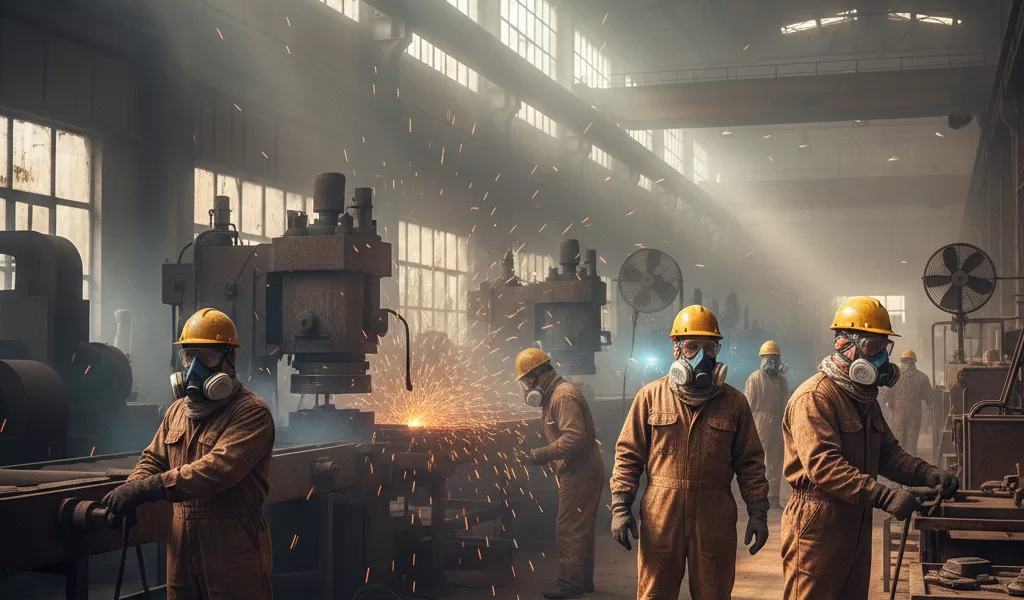
Manufacturing: Cartridge respirators for fumes and vapors
-
Healthcare: N95 or PAPR systems
-
Oil & Gas: Full-face or supplied-air respirators
-
Laboratories: Chemical-resistant respirators
Correct selection helps reduce occupational illness insurance claims.
8. Respiratory Protection Standards (OSHA, NIOSH, CSA, HSE)
United States
-
OSHA 29 CFR 1910.134
-
NIOSH certification
Canada
-
CSA Z94.4
-
Canadian Centre for Occupational Health and Safety (CCOHS)
United Kingdom
-
HSE COSHH Regulations
-
EN 149 / EN 140
Compliance protects employers from regulatory penalties and liability lawsuits.
9. How Respiratory Protection Reduces Insurance Costs
Insurance providers evaluate workplace safety controls before setting premiums. Effective respiratory protection:
-
Reduces long-term illness claims
-
Lowers workers’ compensation payouts
-
Improves insurance risk ratings
-
Prevents business interruption losses
Many insurers reward strong PPE programs with reduced premiums.
10. Choosing the Right Respiratory Protection
Key factors to consider:
-
Type of airborne hazard
-
Concentration levels
-
Duration of exposure
-
Comfort and fit
-
Compatibility with other PPE
A respiratory hazard assessment is essential for compliance and insurance documentation.
11. Training, Fit Testing & Maintenance
Employers must:
-
Provide initial and annual fit testing
-
Train workers on correct use
-
Replace filters and cartridges on schedule
-
Store respirators properly
Failure to follow these steps may void workplace safety insurance coverage.
12. Common Employer Mistakes
-
Using masks instead of respirators
-
Skipping fit testing
-
Ignoring cartridge replacement schedules
-
Poor employee training
These mistakes often lead to costly OSHA fines and legal claims.
13. Frequently Asked Questions (FAQ Schema)
What is the difference between a mask and a respirator?
Masks reduce droplet spread, while respirators protect against hazardous airborne contaminants.
Is an N95 a mask or respirator?
An N95 is a respirator when NIOSH-approved and properly fitted.
Are respirators required by OSHA?
Yes, when airborne hazards exceed safe exposure limits.
Do respirators require training?
Yes, training and fit testing are mandatory under OSHA and HSE rules.
14. Final Thoughts
Choosing the right respiratory protection is both a health and financial decision. Proper use of respirators instead of masks reduces illness, protects workers, and helps businesses control insurance costs, legal risks, and compliance penalties.
Investing in certified respiratory protective equipment is an investment in long-term workplace safety and operational stability.