
Eye and Face Protection Guide: Safety Goggles, Face Shields & Glasses
Table of Contents
- Introduction to Eye and Face Protection
- Why Eye and Face Protection Is Critical in the Workplace
- Types of Eye Protection Equipment
- Safety Glasses
- Safety Goggles
- Face Protection Equipment Explained
- Face Shields
- Goggles vs Safety Glasses vs Face Shields
- Industry-Specific Applications
- Safety Standards: OSHA, ANSI, CSA & EN
- How Eye Protection Reduces Insurance Claims
- Choosing the Right Eye and Face Protection
- Maintenance, Cleaning & Replacement
- Common Mistakes Employers Make
- FAQs (Schema Ready)
- Final Thoughts
-
Introduction to Eye and Face Protection
Eye and face protection is a critical part of Personal Protective Equipment (PPE) designed to prevent injuries caused by chemical splashes, flying debris, radiation, dust, and infectious materials. According to workplace safety authorities, eye injuries are among the most common occupational injuries, often leading to lost productivity, workers’ compensation claims, and increased insurance premiums.
This guide explains safety goggles, face shields, and protective glasses, helping employers and workers meet OSHA, ANSI, CSA, and UK HSE compliance requirements.
-
Why Eye and Face Protection Is Critical in the Workplace
Eye injuries can result in:
- Temporary or permanent vision loss
- Expensive workplace injury insurance claims
- OSHA or HSE compliance fines
- Increased employer liability insurance costs
In the US, UK, and Canada, employers are legally responsible for providing suitable eye and face protection when hazards exist. Failure to comply can impact business liability insurance coverage and trigger penalties.
-
Types of Eye Protection Equipment
Safety Glasses
Safety glasses look similar to regular eyewear but are built with impact-resistant lenses and reinforced frames.
Best for:
- Construction sites
- Manufacturing plants
- Warehouses
- Maintenance work
Key Features:
- ANSI Z87.1 (US) / CSA Z94.3 (Canada) certified
- Side shields for added protection
- Anti-fog and UV protection options
Limitations:
Safety glasses do not provide a full seal, making them unsuitable for chemical splash environments.
Safety Goggles
Safety goggles provide a tight seal around the eyes, offering superior protection against liquids, dust, fumes, and airborne particles.
Best for:
- Chemical handling
- Laboratories
- Oil & gas operations
- Healthcare and pharmaceutical industries
Key Features:
- Indirect or direct ventilation
- Splash and dust protection
- Compatible with respirators
Insurance Benefit:
Using goggles significantly reduces chemical exposure claims, helping lower workers’ compensation insurance payouts.
- Face Protection Equipment Explained
Face Shields
Face shields protect the entire face, including eyes, nose, and mouth, from high-impact hazards and splashes.
Best for:
- Grinding and cutting
- Medical procedures
- Welding (with proper filters)
- Pandemic or infection-control settings
Important Note:
Face shields must be used with safety glasses or goggles, not as a standalone solution.
-
Goggles vs Safety Glasses vs Face Shields
| Feature | Safety Glasses | Goggles | Face Shields |
| Eye Coverage | Partial | Full Seal | Full Face |
| Splash Protection | ❌ | ✅ | ✅ |
| Impact Resistance | ✅ | ✅ | ✅ |
| Chemical Protection | ❌ | ✅ | ✅ |
| OSHA Compliance | ✅ | ✅ | ✅ |
-
Industry-Specific Applications
- Construction: Safety glasses with side shields
- Oil & Gas: Chemical splash goggles + face shields
- Healthcare: Anti-fog goggles & medical face shields
- Manufacturing: Impact-rated eyewear
- Laboratories: Indirect-vent goggles
Proper PPE selection helps businesses avoid occupational injury insurance disputes.
-
Safety Standards: OSHA, ANSI, CSA & EN
United States
- OSHA 29 CFR 1910.133
- ANSI Z87.1
Canada
- CSA Z94.3
United Kingdom & EU
- EN 166
- HSE PPE Regulations
Compliance ensures insurance policy validity and protects employers from lawsuits.
-
How Eye Protection Reduces Insurance Claims
Insurance companies closely assess workplace safety practices. Providing certified eye and face protection can:
- Reduce workers’ compensation claims
- Lower business insurance premiums
- Prevent costly legal settlements
- Improve OSHA audit outcomes
Many insurers offer premium discounts for strong PPE compliance programs.
-
Choosing the Right Eye and Face Protection
When selecting PPE, consider:
- Hazard type (impact, chemical, radiation)
- Work environment (indoor/outdoor)
- Comfort and fit
- Compatibility with helmets and respirators
- Certification labels
Always perform a job hazard analysis (JHA) to meet compliance standards.
-
Maintenance, Cleaning & Replacement
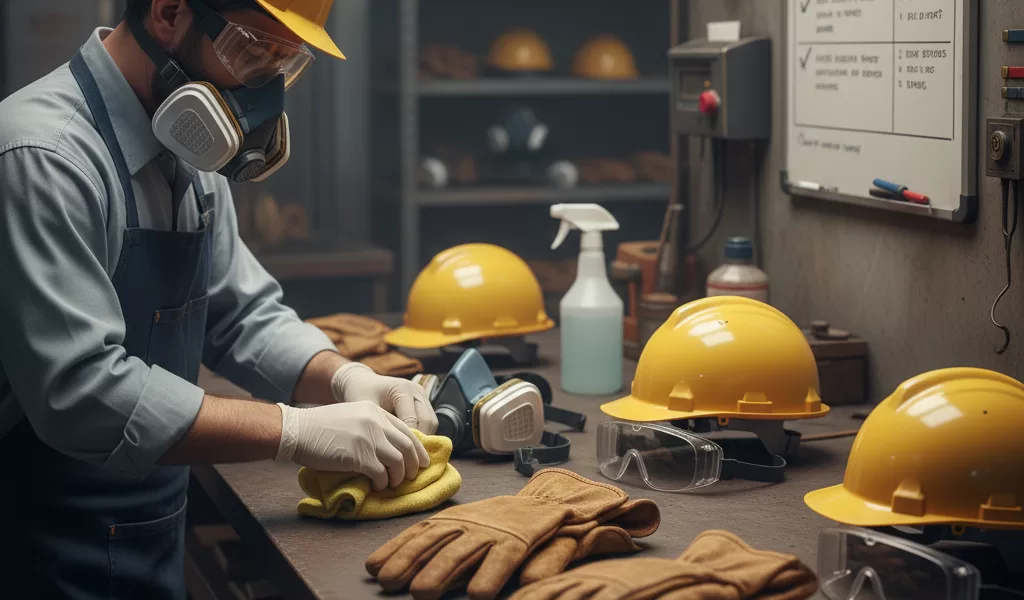
- Clean lenses daily using approved solutions
- Inspect for cracks or scratches
- Replace damaged PPE immediately
- Store in protective cases
Poor maintenance can void insurance safety compliance.
-
Common Mistakes Employers Make
- Using uncertified eyewear
- Ignoring fogging issues
- Not training workers on proper use
- Treating face shields as standalone protection
These mistakes increase liability insurance exposure.
-
Frequently Asked Questions (FAQ Schema)
What is the difference between safety goggles and safety glasses?
Are face shields enough for eye protection?
No. Face shields must be used with safety glasses or goggles.
What standards should eye protection meet?
ANSI Z87.1 (US), CSA Z94.3 (Canada), and EN 166 (UK/EU).
Is eye protection mandatory under OSHA?
Yes, OSHA requires appropriate eye and face protection when hazards exist.
-
Final Thoughts
Eye and face protection is not just a regulatory requirement—it is a smart financial decision. The right goggles, safety glasses, and face shields protect workers, reduce injuries, and help businesses control insurance costs and legal risks.
Investing in certified PPE ensures compliance, safety, and long-term operational stability.